Parquet Floor Restoration Auckland: Expert Techniques
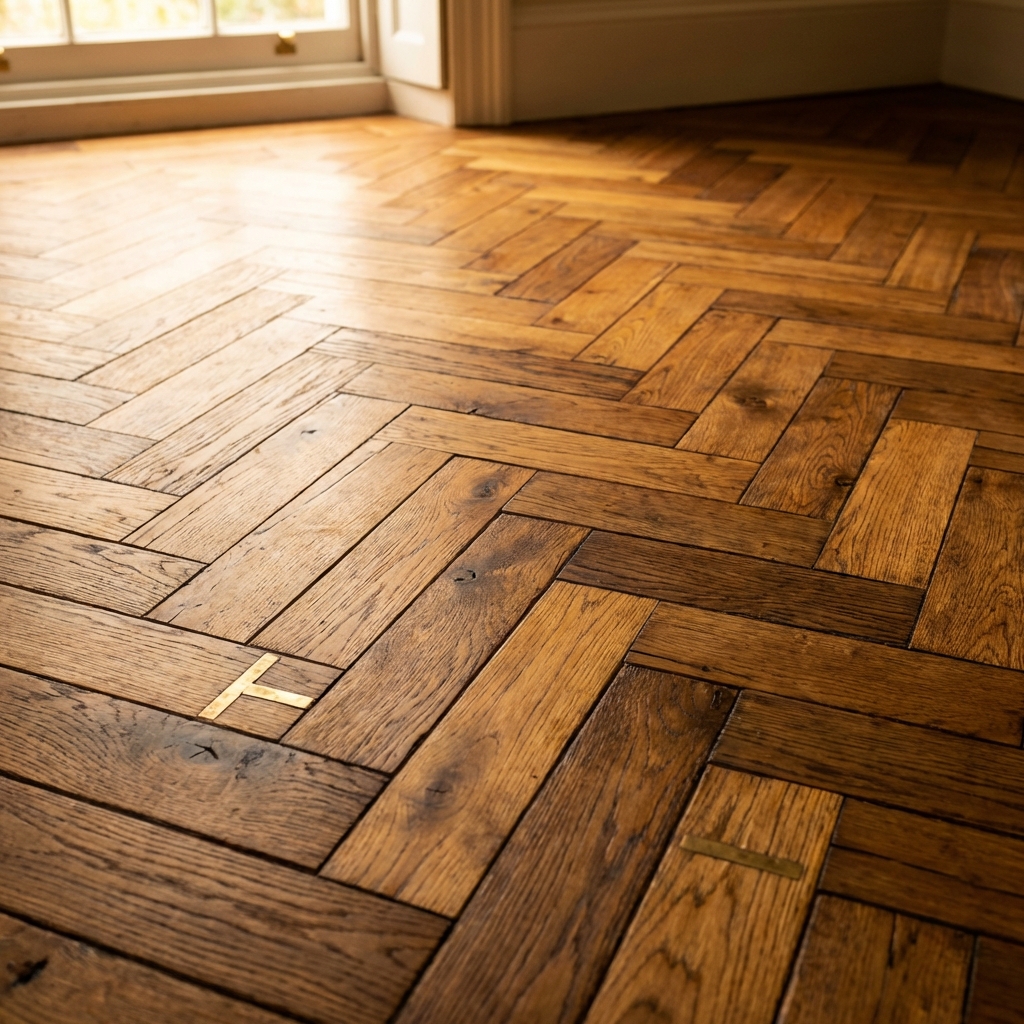
Parquet flooring is a timeless feature often found in Auckland's mid-century homes and art deco apartments. Whether it's Herringbone, Chevron, or Basket Weave, these geometric patterns add sophistication that standard floorboards can't match.
However, restoring parquet is an art form. It requires a different approach to standard timber floor sanding. Here is how we bring these intricate floors back to life.
The Challenge of Parquet
Standard floorboards run in one direction. You simply sand with the grain. Parquet is different:
- Grain Direction: Blocks are laid at angles. Sanding "with the grain" for one block means sanding "across the grain" for its neighbor.
- Movement: Small blocks expand and contract more, leading to gaps.
- Adhesive Failure: Old parquet was often glued with bitumen, which becomes brittle over time, causing "clacking" or loose blocks.
Our Parquet Restoration Process
1. Block Stabilization
Before sanding, we tap-test the floor. Any loose blocks represent a failure point. We carefully lift them, clean the old adhesive, and re-bond them using modern, flexible silane adhesives.
2. Multidirectional Sanding
We use specialized planetary sanding machines (like the Lagler Trio) which sand in a random orbital motion. This allows us to flatten the floor without leaving deep cross-grain scratches that often occur with standard belt sanders.
3. Full Trowel Filling
Because parquet has thousands of joints, we perform a "slurry fill" over the entire floor. We mix fine sanding dust with a resin binder and trowel it over every inch, ensuring every tiny gap is filled for a seamless look.
Popular Patterns We Restore
- Herringbone: The classic V-shape zigzag.
- Chevron: Similar to herringbone but with blocks cut at 45 degrees.
- Basket Weave: Blocks grouped in squares, alternating direction.
- Mosaic/Finger Parquet: Small strips often found in 1960s/70s homes.
Finishing Parquet
Parquet looks stunning with a subtle Satin finish or a Hard Wax Oil which accentuates the different grain directions. High gloss can sometimes look too "busy" on patterned floors due to the light reflection.
Have a Parquet Floor?
Don't trust intricate patterns to generalists. We have the specialized equipment for parquet restoration.
Frequently Asked Questions
Can you sand old parquet floors?
Yes, but it requires skill. Parquet blocks have grain running in different directions. Inexperienced sanding can cause cross-grain scratching. We use multidirectional sanding machines to ensure a flat, scratch-free finish.
I have loose parquet blocks. Can they be fixed?
Absolutely. Loose blocks are common in older floors as the bitumen adhesive dries out. We lift the loose blocks, scrape the subfloor, and re-glue them with modern adhesives before sanding.
Is parquet restoration more expensive than normal sanding?
Yes, typically by $10-$20 per sqm. This accounts for the extra time required for repairs, multidirectional sanding, and the higher volume of filler needed for the many joints between blocks.