How Floor Sanding Adds Value to Your Auckland Property
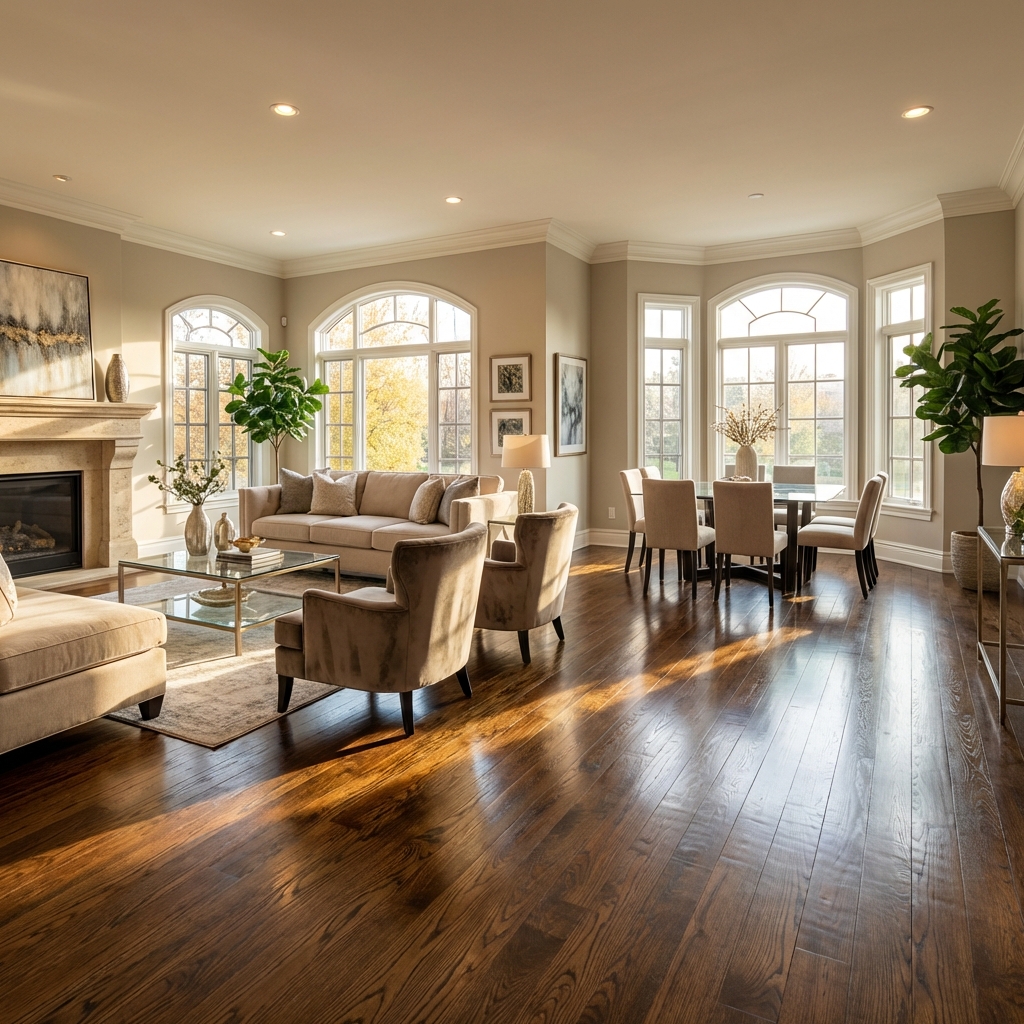
In the competitive Auckland property market, presentation is everything. Whether you're preparing to sell or simply wanting to build equity in your family home, smart renovations matter. One upgrade that consistently punches above its weight in terms of Return on Investment (ROI) is restoring native timber floors.
Carpet can hide a multitude of sins, but it also hides your home's greatest asset. Here is why revealing and polishing those hidden timber floorboards is a financial win for property owners.
1. The "Character Premium" in Auckland
Auckland's housing stock—from Ponsonby villas to bungalow classics in Mt Albert—is defined by native timber. Buyers actively seek out Rimu, Matai, and Kauri floors.
When you sand and polish these floors, you aren't just "fixing the floor"; you are restoring a heritage feature. Real estate agents report that homes with polished native floors often sell faster and for a premium compared to those with tired carpet or cheap laminate overlays.
2. High Return on Investment (ROI)
Floor sanding is relatively inexpensive compared to other renovations like kitchen or bathroom remodels.
Example ROI Calculation
- Cost to Sand & Polish (Living/Hall/Dining): ~$3,500
- Estimated Value Increase: $10,000 - $15,000
- ROI: ~300%
Few other home improvements offer this level of immediate financial return. It transforms the "feel" of a house from "dated" to "modern classic" in just a few days.
3. Useable Space and Perception
Polished floors make rooms feel bigger and brighter. Timber reflects light, whereas carpet absorbs it. In smaller bungalows or units, continuous timber flooring flows from room to room, creating an illusion of open space that buyers love.
4. Durability and Low Maintenance
Investors and landlords love polished floors for a different reason: durability.
- Stain Resistant: Spilled wine or coffee wipes right up.
- Hypoallergenic: No dust mites or allergens trapped in fibers.
- Longevity: A quality polyurethane finish lasts 7-10 years even in rentals.
For rental properties, this means lower maintenance costs between tenancies and higher rental appraisal values.
5. The "Smell of New"
Never underestimate the power of smell in real estate. Old carpets hold decades of odors—pets, dampness, cooking. No amount of steam cleaning fully removes this.
Sanding floors removes the physical layer that trapped the odors. The result is a home that smells fresh, clean, and new—a subconscious trigger that tells buyers the home is well-maintained.
Expert Tip for Sellers
If you are selling, choose a Satin or Matte finish. High Gloss can show dust and scratches more easily during open homes. Satin offers a warm, contemporary glow that photographs beautifully for real estate listings.
Maximize Your Sale Price
Get a pre-sale floor restoration quote. We work with real estate deadlines to get your floors ready for photos.
Frequently Asked Questions
How much value does floor sanding add to a house?
While exact figures vary, real estate experts in Auckland estimate that restored native timber floors can increase a property's value by 3-5%, often delivering a return on investment (ROI) of 300-400% purely due to the premium buyers place on 'character' features.
Do buyers prefer carpet or polished floors?
In high-value Auckland suburbs (Ponsonby, Grey Lynn, Remuera), buyers overwhelmingly prefer polished timber floors, especially in living areas, hallways, and kitchens. Carpet is sometimes still preferred in bedrooms for warmth.
Is it worth sanding floors before selling?
Yes. It is one of the most cost-effective pre-sale renovations. A $3,000 sanding job can add $10,000+ to the sale price by modernizing the look and ensuring the home smells fresh and clean during open homes.
Does sanding remove odors from old houses?
Absolutely. Old carpets trap dust, pet dander, and odors for decades. Removing them and sanding the floors eliminates these trapped smells, making the home feel instantly cleaner and healthier.