Native Timber Floors: Rimu, Kauri, and Matai Restoration
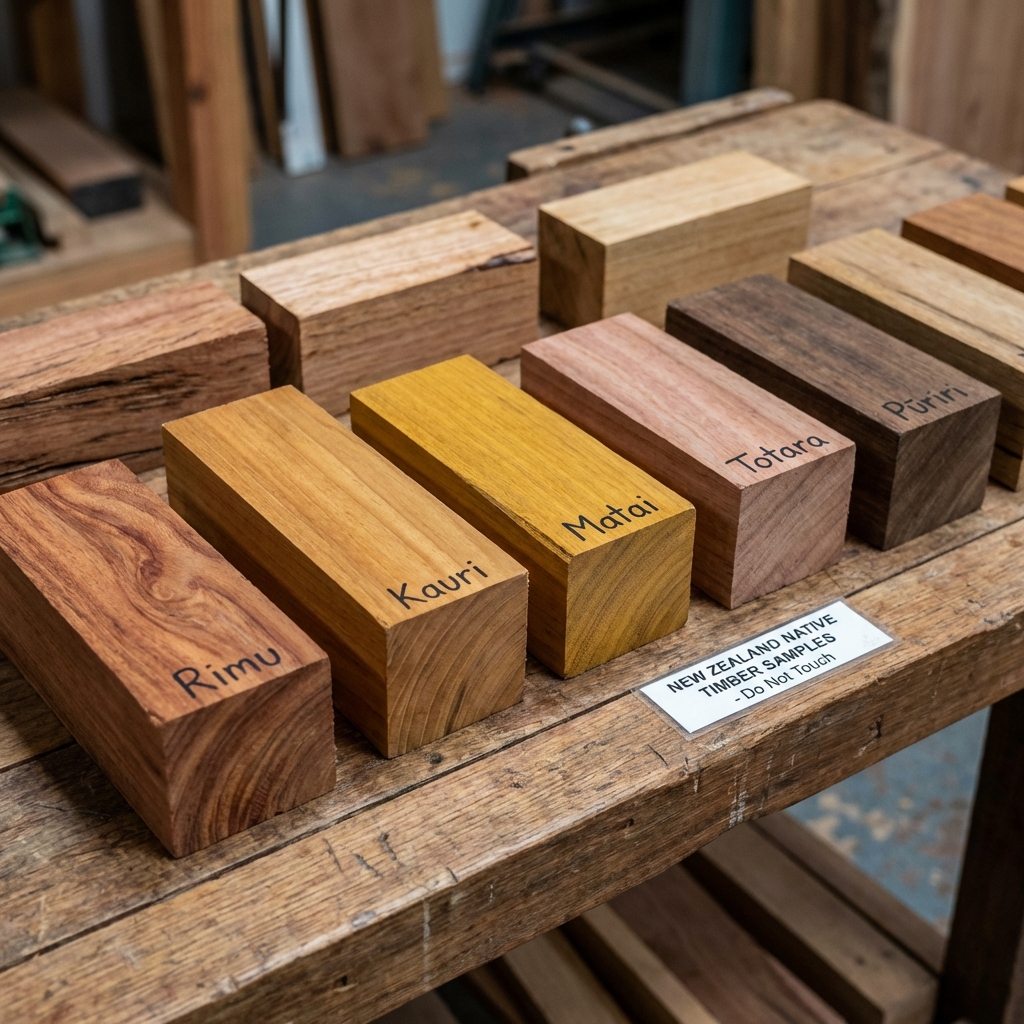
New Zealand's native timber floors are a national treasure. Kauri, Rimu, Matai, and Tawa—these woods are no longer logged, making your existing floor irreplaceable.
Restoring them is not just a job; it is a craft.
The Restoration Process
1. Preparation & Repairs
Before sanding begins, we inspect every inch. We lift loose boards, re-nail them, and punch thousands of old lead-head nails deep into the timber to prevent them tearing the sanding paper.
2. The "Cut"
We use coarse grit (24 or 40 grit) to strip away decades of old varnish, paint, and grime. This reveals the raw, fresh timber underneath. It is always a magic moment seeing the true color emerge.
3. Filling
We don't use generic filler. We collect the fine dust from your own floor during the sanding process and mix it with a resin binder. This creates a filler that is an exact color match for your specific wood.
4. Fine Sanding
We progress through finer grits (60, 80, 100, 120) to polish the wood grain closed, ensuring a silky smooth feel.
Common Native Timbers
- Rimu: Rich, varied, golden-brown.
- Matai: Hard, deep red/gold.
- Tawa: Light, blonde, oak-like.
Patching & Extension
Removed a wall? Taken out a fireplace? We specialize in toothing-in recycled timber. We source old boards from demolition yards to ensure the age, size, and grain match your existing floor perfectly. A new board would stick out like a sore thumb.
Restore Your History
Don't cover it up. Bring it back to life.
Frequently Asked Questions
Do you punch the nails down?
Yes. Every single visible nail is punched below the surface by hand. We then fill the hole with a color-matched wood putty that blends seamlessly with the timber.
What about the gap where the old fireplace was?
Concrete hearths are common in old villas. We can remove the concrete and 'stitch' in recycled native timber boards to match the surrounding floor, making the hearth disappear.
Will the floor be perfectly flat?
We continually aim for 'table-top flat'. However, in very old houses, subfloor movement over 100 years means there may be slight undulations. We sand to make it visually flat and smooth to the touch.