Floor Sanding Dust: What to Expect and How We Minimize It
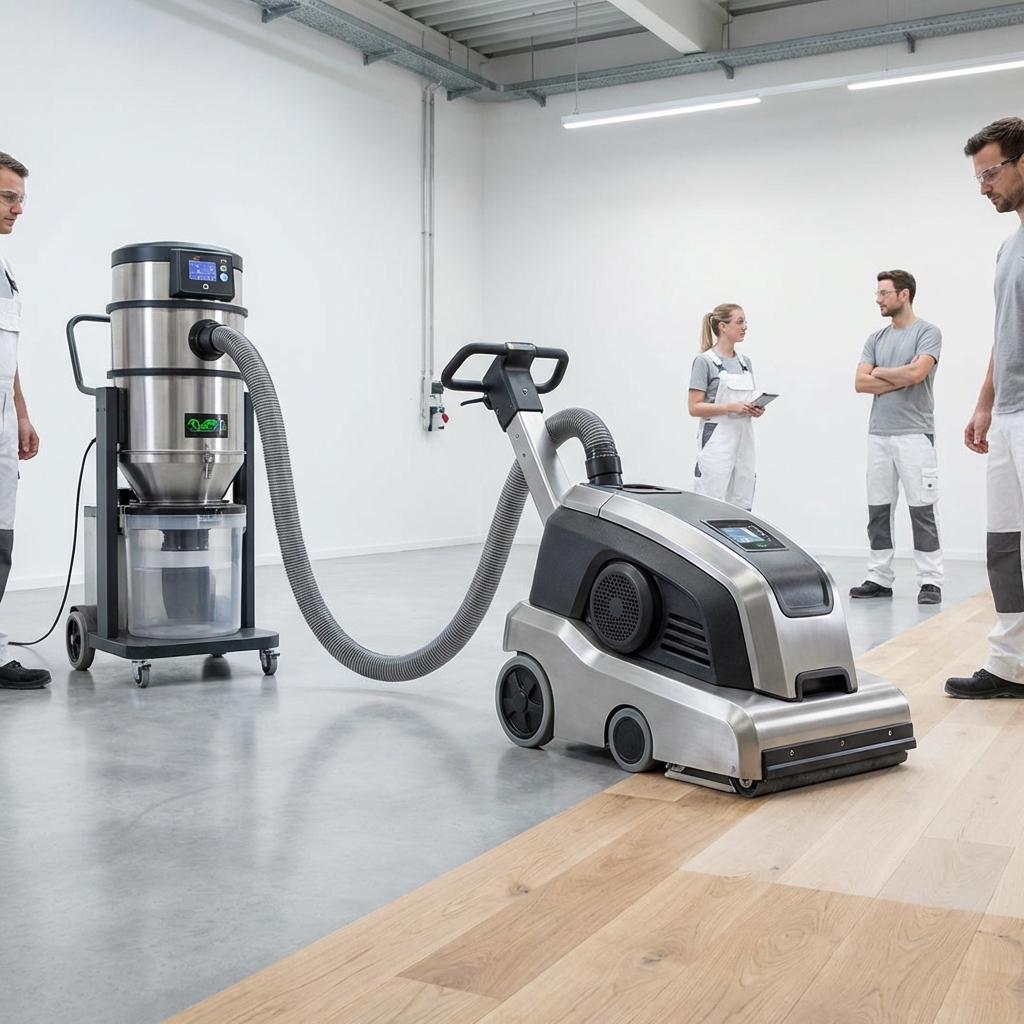
Let's talk about the elephant in the room: Dust. It is the number one concern for anyone getting their floors sanded. Will it be everywhere? Will I be finding it in my cornflakes for weeks?
Technology has improved drastically, but it is important to have realistic expectations. Here is the honest truth about floor sanding dust.
The "Dustless" Reality
We use advanced, truck-mounted or portable cyclonic vacuum systems. These capture dust at the source—the moment the sandpaper hits the floor.
- Old machines: 30-50% capture rate. (Dust cloud visible).
- Our machines: 95-98% capture rate. (Invisible dust).
This means we don't hang plastic sheets over every doorway because we don't need to.
What You Will See
While we capture the vast majority of dust, a tiny amount of very fine "flour-like" dust may escape, primarily during the edging process or when emptying containment bags outside.
Expect: A fine layer on skirting boards, window sills, and perhaps the top of door frames. It is comparable to a week's worth of normal household dust accumulation.
Our Containment Protocols
To protect your home, we take extra steps:
- HEPA Filtration: Our vacuums filter out microscopic particles.
- Seal Offs: If we are only sanding one room, we close the door and seal the gap to prevent drafts carrying dust to the rest of the house.
- Final Vacuum: We vacuum every inch of the floor, walls, and sills before we apply any finish to ensure the room is sterile.
What You Can Do
Help us keep your home clean:
- Remove what you can: Take down curtains and remove knick-knacks.
- Cover the rest: Throw sheets over bookcases or non-movable furniture.
- Seal electronic vents: Dust is attracted to static electricity (TVs, computers).
Worried About Mess?
Ask us about our premium "White Glove" service where we handle all covering and post-job cleaning.
Frequently Asked Questions
Is it safe for asthmatics?
While we capture 95-98% of dust, we generally recommend that severe asthma sufferers are not in the house during the sanding process just to be safe. We use HEPA filters to minimize airborne triggers.
Will dust get into my kitchen cupboards?
We recommend using masking tape to seal the gaps around kitchen cupboard doors and drawers if we are sanding nearby. This extra precaution ensures your plates and cutlery stay clean.
Do I need to hire a cleaner afterwards?
Most clients find a standard vacuum and wipe down is sufficient. We leave the area 'broom clean' and vacuumed, but a fine settling of dust (like pollen) may occur overnight after we leave.