Cork Floor Sanding and Restoration in Auckland
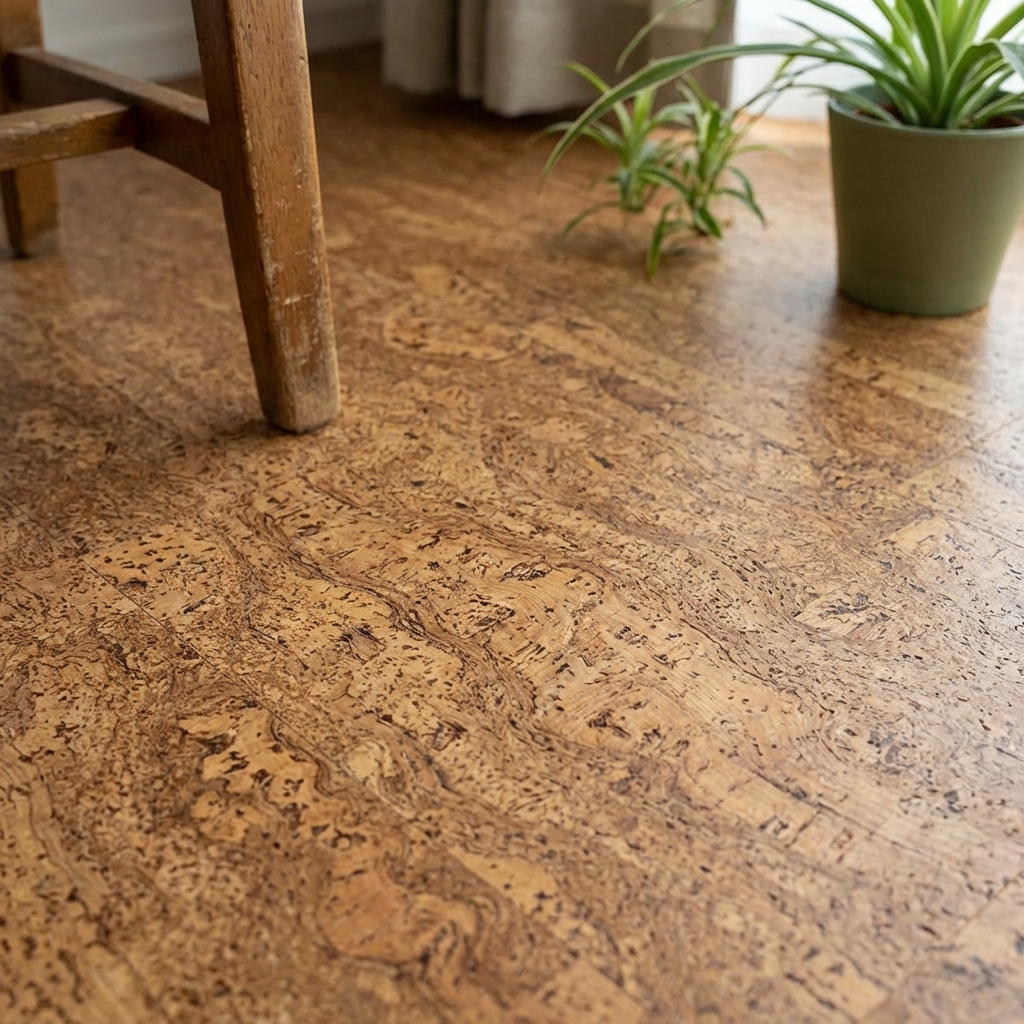
Cork flooring was a staple of 1970s Auckland kitchens. Today, it is making a huge comeback due to its eco-credentials, warmth, and incredible comfort underfoot.
But like any natural floor, cork wears out. The polyurethane coating scratches and dulls. The good news is that cork floors can be fully restored to look brand new again.
Why Restore Cork?
If you have an existing cork tile floor: Don't rip it up!
- Comfort: Cork is naturally shock-absorbing, making it the most comfortable hard floor for standing in kitchens.
- Warmth: It is an excellent thermal insulator.
- Sound: It dampens noise between floors.
- Value: Replacing high-quality cork is incredibly expensive today. Restoration is a fraction of the price.
The Restoration Process
1. The Sanding Challenge
Cork is soft. A heavy drum sander used by an inexperienced operator can rip chunks out of the tiles. We use:
- Fine Belt Sanding: Gentle removal of the old yellowed finish.
- Rotary Buffing: Extensive use of rotary sanders to smooth the surface without aggressive cutting.
2. Repairs
Damaged tiles? We can often source matching tiles or take some from hidden areas (like under the fridge) to patch damaged spots before sanding.
3. Specialized Finishes
Cork is flexible; rigid finishes crack. We use specialized flexible polyurethanes designed for cork. These move with the floor and provide a thick, protective layer that handles kitchen spills with ease.
Maintenance is Key
Because the cork itself is soft, the polyurethane protection is vital. If the poly wears through, the cork will stain and crumble.
The Golden Rule: Book a "Screen & Recoat" every 5-7 years before the finish wears through. This is cheap, fast, and ensures your cork floor lasts forever.
Revive Your Cork Floor
From 70s orange to modern chic. See how we can transform your cork tiles.
Frequently Asked Questions
Is sanding cork different from timber?
Yes. Cork is much softer than timber. It requires specialized abrasives and lighter machine pressure to avoid gouging. The finishing process is also critical—cork absorbs more product, so it needs a flexible sealer.
Can I stain my cork floor?
Staining cork is tricky because it absorbs pigment unevenly, often leading to a blotchy appearance. We generally recommend keeping cork natural or using a tinted polyurethane rather than a direct stain.
How long does a cork floor last?
With proper maintenance and re-glazing every 5-7 years, a high-quality cork floor can last 40+ years. The polyurethane coating protects the cork itself from wear.